

Polymeric Interactions at Biological Interfaces
polymer organic chemistry | biomimicry in materials | next-generation therapeutics
When polymeric materials enter biological environments, their surfaces immediately interact with proteins, cells, and biomolecular structures. These interfacial interactions ultimately determine how a material performs in medicine, biotechnology, and the natural world. In the Roberts Lab, we study how physicochemical design principles like surface chemistry, nanoscale morphology, and self-assembly can be used to direct biological responses.
Drawing inspiration from renewable biopolymers and natural systems, our group engineers sustainable polymer and polysaccharide-based materials with applications in biointerfaces, vaccine technologies, and therapeutic delivery. By combining fundamental characterization with intentional molecular design, we aim to create next-generation biomaterials that are both high-performing and environmentally responsible.
Our Research Themes
Protein Corona Engineering
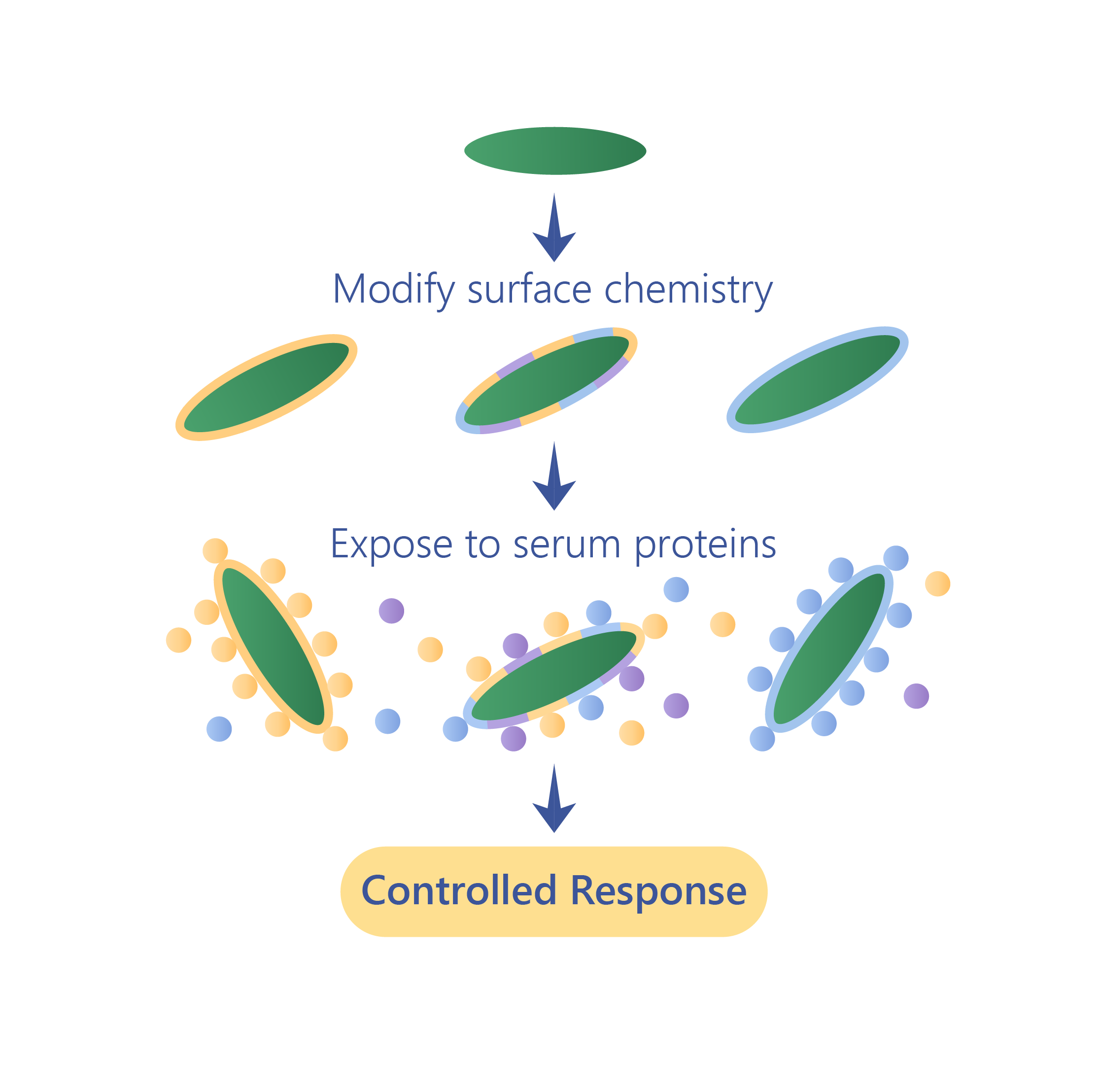
Biological responses to materials are governed by interactions that occur at interfaces. Our research focuses on the intentional design of polymer surfaces that control protein adsorption, cell adhesion, and immune recognition. By tuning polymer architecture, chain mobility, and surface chemistry, we aim to direct how biological systems interpret synthetic materials. These studies provide fundamental insight into protein corona formation, biofouling resistance, and cell–material communication, enabling the rational design of next-generation biomedical materials.
Biobased Emulsions for Medical Applications
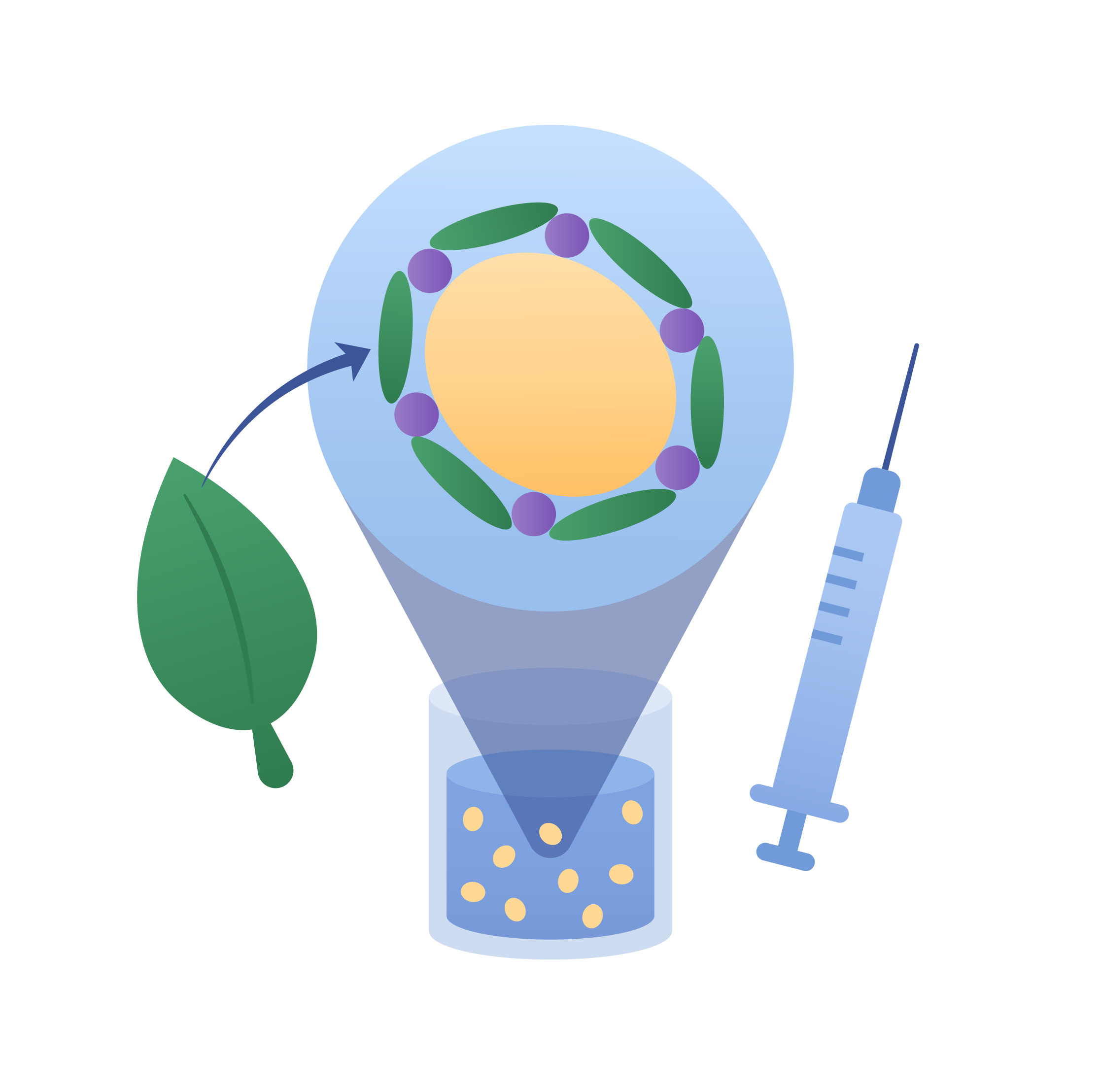
Particle-stabilized emulsions offer a surfactant-free platform for delivering therapeutics and biologics. We develop biopolymer-stabilized emulsions designed for tunable stability, controlled release, and biological compatibility. Our work integrates formulation science, interfacial chemistry, and biological evaluation to understand how droplet structure influences immune response and biodistribution. These materials hold promise for vaccine adjuvants, nutraceutical delivery, and sustainable encapsulation technologies.
Polysaccharide Self-Assembly
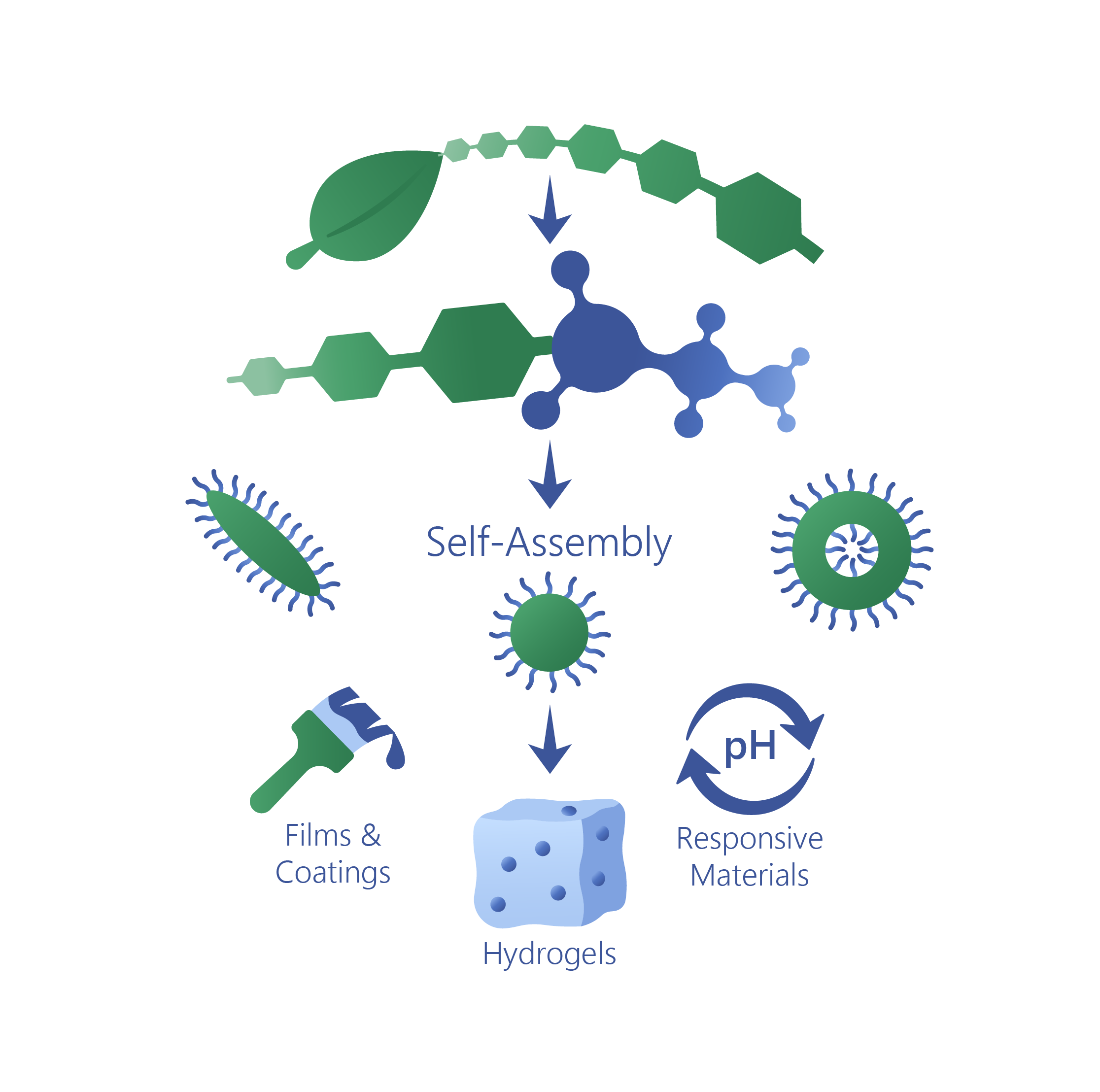
Many biological materials derive function from hierarchical organization. Our group studies crystallization-driven assembly, polymer self-organization, and particle-stabilized interfaces to understand how structure emerges across length scales. We investigate how weak interactions such as hydrogen bonding, hydrophobic association, electrostatics, and confinement govern assembly in aqueous environments. These insights enable the creation of responsive materials, structured nanoparticles, and bioinspired soft matter systems.